
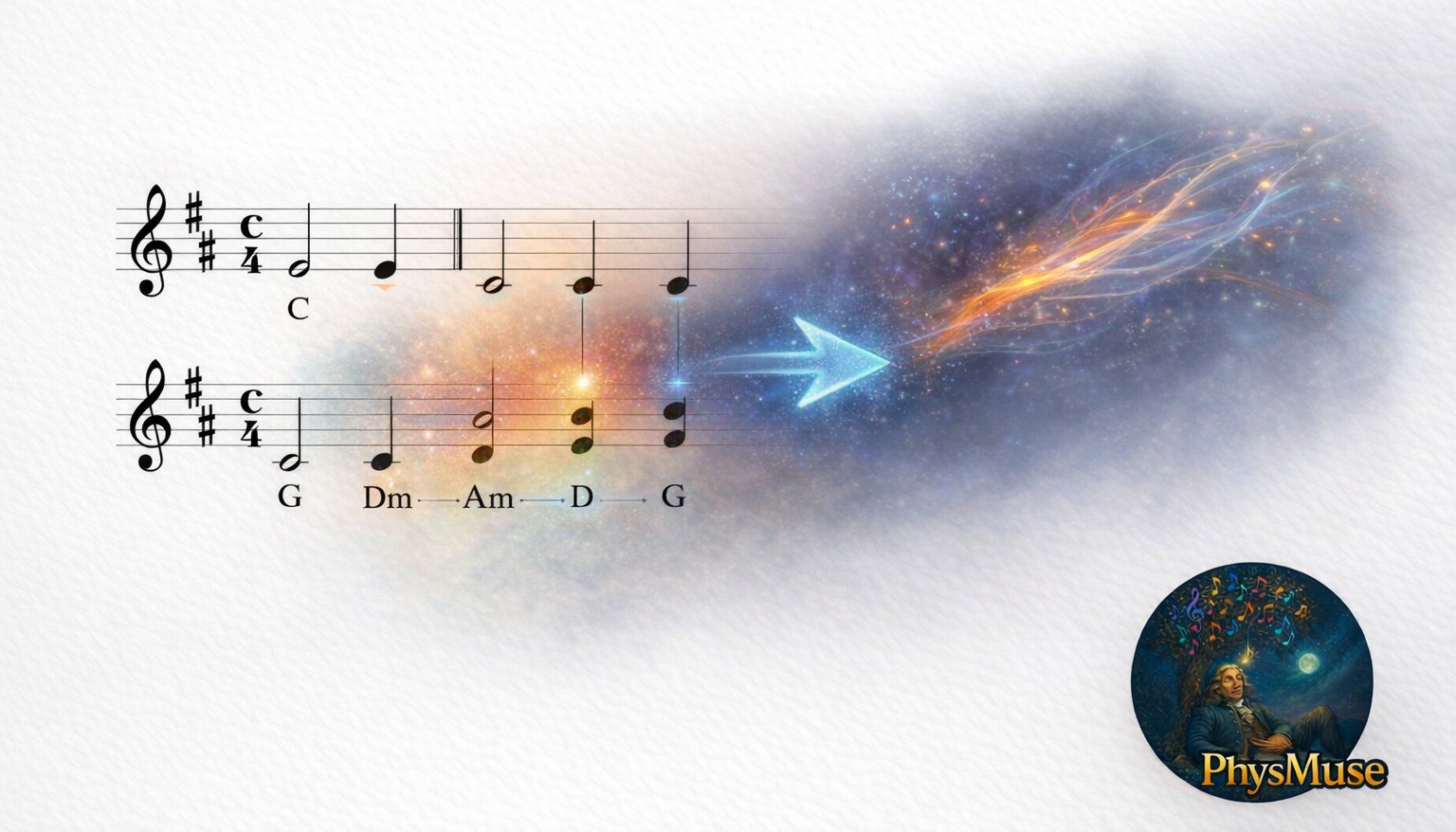
This week’s tutorial will look at the concept of modulation. So, I hear you ask –
What is Modulation?
Modulation is the musical process of moving from one key to another within a piece. A “key” is defined by its tonic (home pitch) and its scale, and when you shift that tonal centre, the listener experiences a change in colour, direction, and emotional emphasis.
In tonal music, modulation is not just a decorative effect though, it is a structural tool. It shapes form, creates contrast between sections, and allows composers to explore new harmonic spaces without abandoning coherence. Whether subtle or dramatic, modulation is one of the most expressive devices available to composers, arrangers, and improvisers.
Modulation differs from tonicization, which is a brief emphasis on a chord as if it were a temporary tonic. A true modulation establishes the new key clearly enough that the listener feels arrived, rather than momentarily diverted.
Why do we want to Modulate?
Musicians modulate for both expressive and structural reasons. Some of the most common motivations include:
- Refreshing the listener’s ear – Staying in one key for too long can make the harmony feel static. A modulation resets the harmonic palette.
- Intensifying emotional impact – A shift upward can create excitement or uplift; a shift downward can create warmth, introspection, or release.
- Transitioning between sections – Verse – pre‑chorus – chorus often involves subtle or overt key changes to support the narrative arc.
- Supporting new melodic or harmonic ideas – A melody may naturally lead toward a new tonal centre; modulation allows the harmony to follow.
- Creating a sense of journey or arrival – Classical forms (sonata form, for example) rely on modulation to articulate large‑scale structure.
Even simple pop songs use modulation to avoid monotony. The classic last chorus key change is a well‑known example.
Types of Modulation
There are a number of different type of modulation. Each type of modulation has its own character and typical use cases. Understanding these provides a palette of expressive options.
Pivot‑Chord Modulation (Most Common)
A pivot‑chord modulation uses a chord that belongs to both the original key and the destination key. This shared chord acts as a hinge or “pivot,” allowing the harmony to slip naturally into the new tonal centre.
Example: C major → G major Shared chords include C, Em, Am. Using Am as the pivot creates a smooth, almost imperceptible transition.
Effect:
- seamless
- natural
- ideal for classical, folk, and any style requiring subtlety
Please subscribe to silver membership if you want to learn more about the other types of modulation, and get a simple pivot-chord step-by-step plan and additional information about modulations. The other types of modulation discussed in the members tutorial are:
- Direct (Abrupt) Modulation
- Sequential Modulation
- Common‑Tone Modulation
- Chromatic Modulation


Leave a Reply to Charles YallowitzCancel reply