PhysMuse
Even Composers Cry Sometimes
● Featured Article
-

In this tutorial we will look at the idea of borrowed chords, what they are, and where we borrow these chords from. This makes use of the parallel major and minor keys. What are Borrowed Chords? Borrowed chords are harmonies “borrowed” from the parallel key—meaning the major and minor keys…
● Latest Articles
-
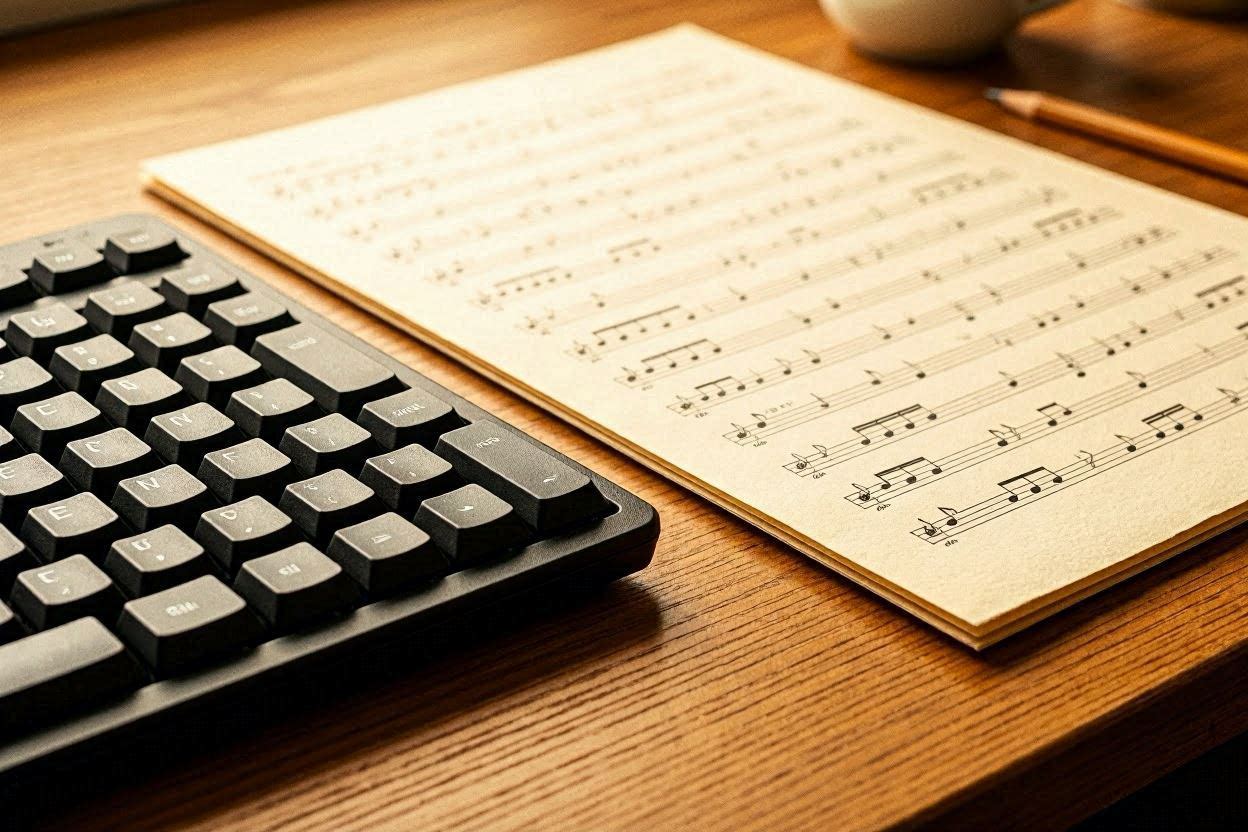
My Favourite Dorico Shortcut
A quick engraving tip for Dorico users: turning the “Edit → Remove Rests” menu item into a custom shortcut saves time when cleaning up multiple…
-

Why Score Collections Matter More Than People Think
A short reflection on why sheet‑music collections are more powerful than most people realise. Clean engraving, consistent layout, and thoughtful organisation make collections easier for…
-

Studio Journal – Random Backing Track
A quiet mix of coastal photos and a rough musical sketch built from piano, bass, synth cello, and gentle drums — a small idea shared…
-

The Seal Chorus
Bob the seal laughs beside the seabirds, his bark a rhythm of the harbor. The seals’ voices rise and fall with the tide, reminding us…
● About Me

I’m Julian — composer‑educator and the creator of PhysMuse. I share my journey through music engraving, theory, and creative study, building clear, beautiful resources for musicians and learners. This blog is where I document the process, the experiments, and the things I’m learning along the way.