
-

A Milestone for Music Theory for the Guitarist
Music Theory for the Guitarist reached #1 in New Releases in Music Theory on Amazon. A small but meaningful milestone for this practical, musician‑focused book.
-
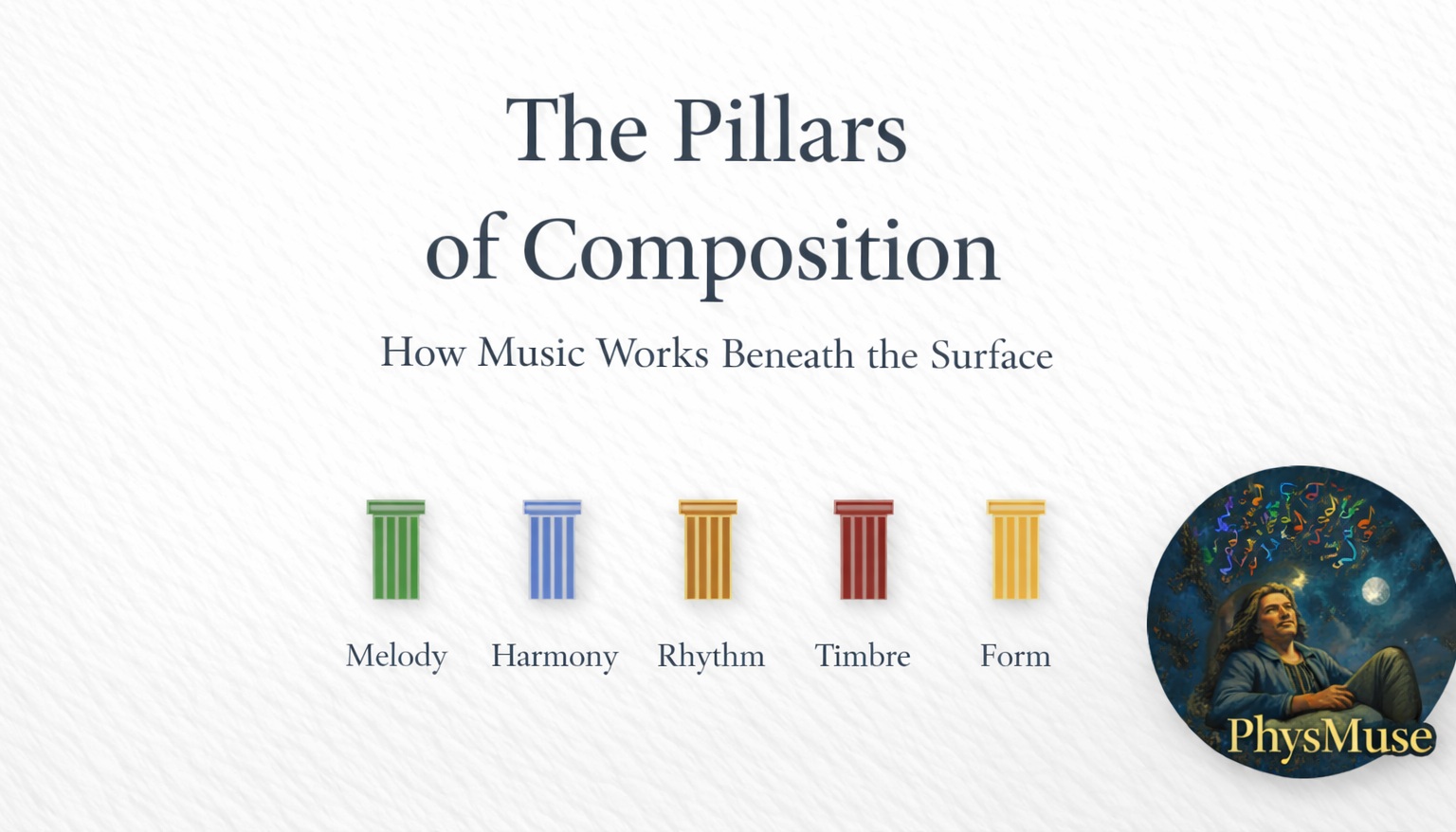
The Pillars of Composition — How Music Works Beneath the Surface
Every piece of music rests on five pillars: melody, harmony, rhythm, timbre, and form. This series introduces how these elements work together beneath the surface to shape musical expression.
-

I’ve Been Working on the Railroad – Guitar (Notation + TAB)
A clear, accessible guitar arrangement of I’ve Been Working on the Railroad
-
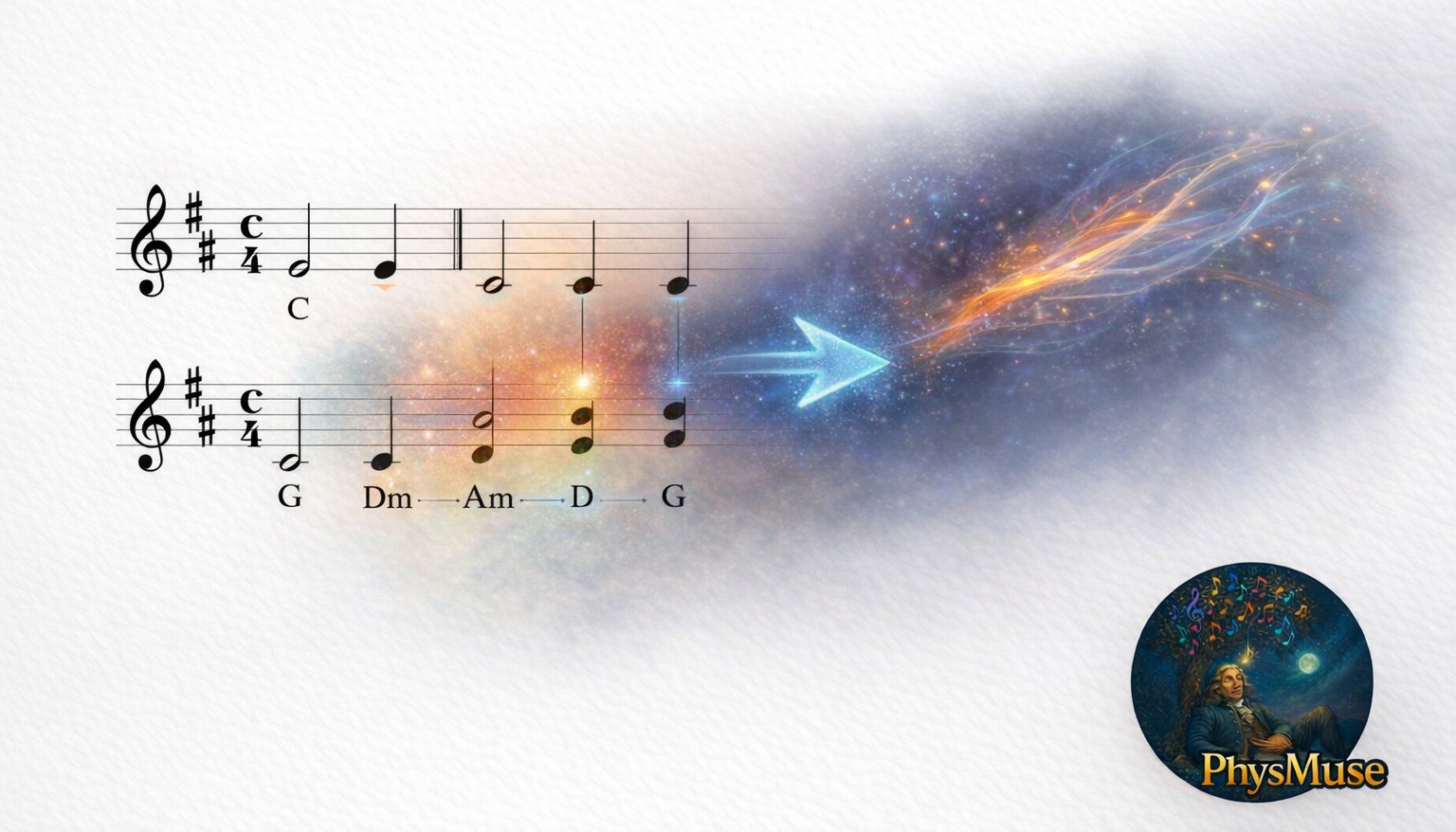
Understanding Modulation in Music: How Key Changes Shape Emotion and Structure (Non-members)
Discover how modulation transforms music by shifting keys to create emotional lift, contrast, and narrative flow. Learn pivot‑chord, direct, common‑tone, and chromatic modulations with clear examples and exercises for composers and arrangers.
-

Designing Music for Emotion — A Mid‑Read Reflection
Partway through Designing Music for Emotion by Carlos Amador, Julian Froment shares early impressions of a book that blends psychology, storytelling, and musical design. Even unfinished, it’s already reshaping how composers think about emotional clarity in music.
-

What’s Inside Music Theory for the Guitarist — A Practical Guide for Guitarists
A closer look inside Music Theory for the Guitarist — the new educational book by Julian Froment that connects theory directly to the guitar. This post breaks down what’s inside the book and how to use it in your practice routine.
-

The Beauty of Simple Tunes
Simple melodies carry a quiet strength. They don’t need complexity to move us — just honesty, rhythm, and memory. A reflection on the enduring beauty of folk tunes.
-

Understanding Modulation in Music: How Key Changes Shape Emotion and Structure (Silver Members)
Discover how modulation transforms music by shifting keys to create emotional lift, contrast, and narrative flow. Learn pivot‑chord, direct, common‑tone, and chromatic modulations with clear examples and exercises for composers and arrangers.
-
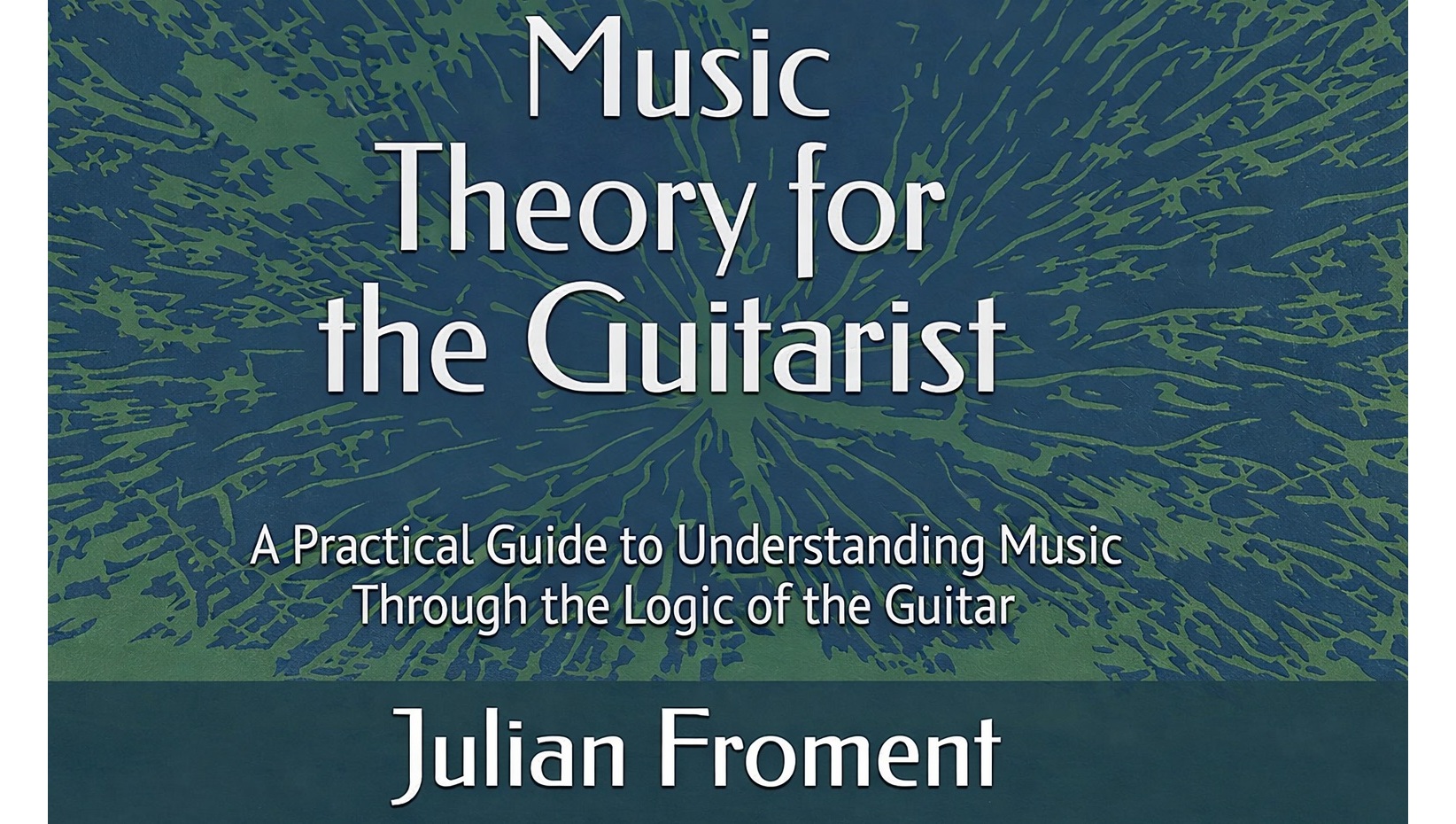
Music Theory for the Guitarist — Book Launch by Julian Froment, PhysMuse
Discover Music Theory for the Guitarist by Julian Froment — a practical guide to understanding music through the logic of the guitar. Now published and available. Learn how theory connects directly to shapes, intervals, and patterns on the fretboard.
-
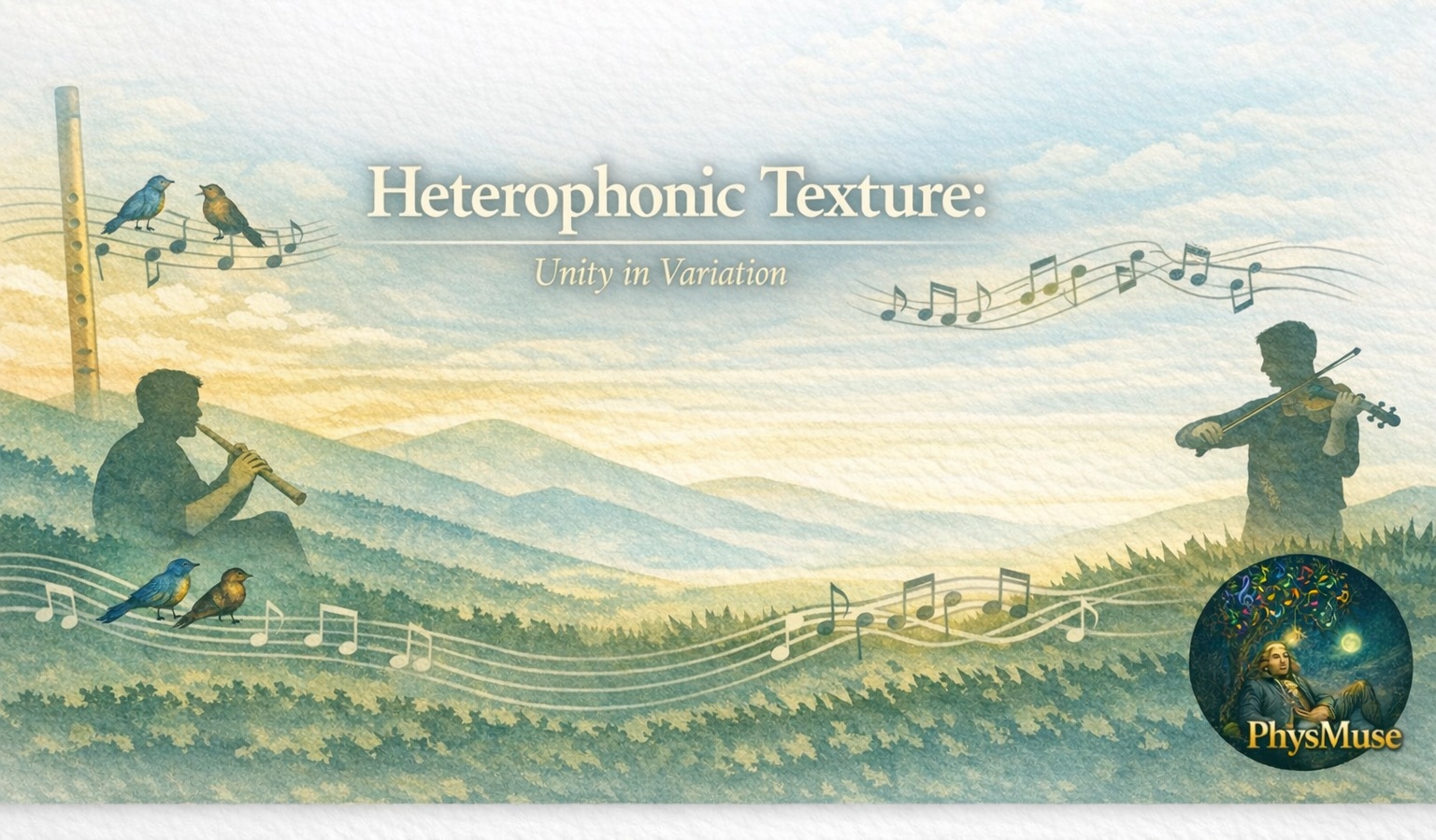
Heterophonic Texture: Unity in Variation
Heterophonic texture explores how a single melody can be shared and reshaped by multiple voices. This PhysMuse post completes the Mapping the Landscape of Musical Texture series, showing unity through subtle variation.